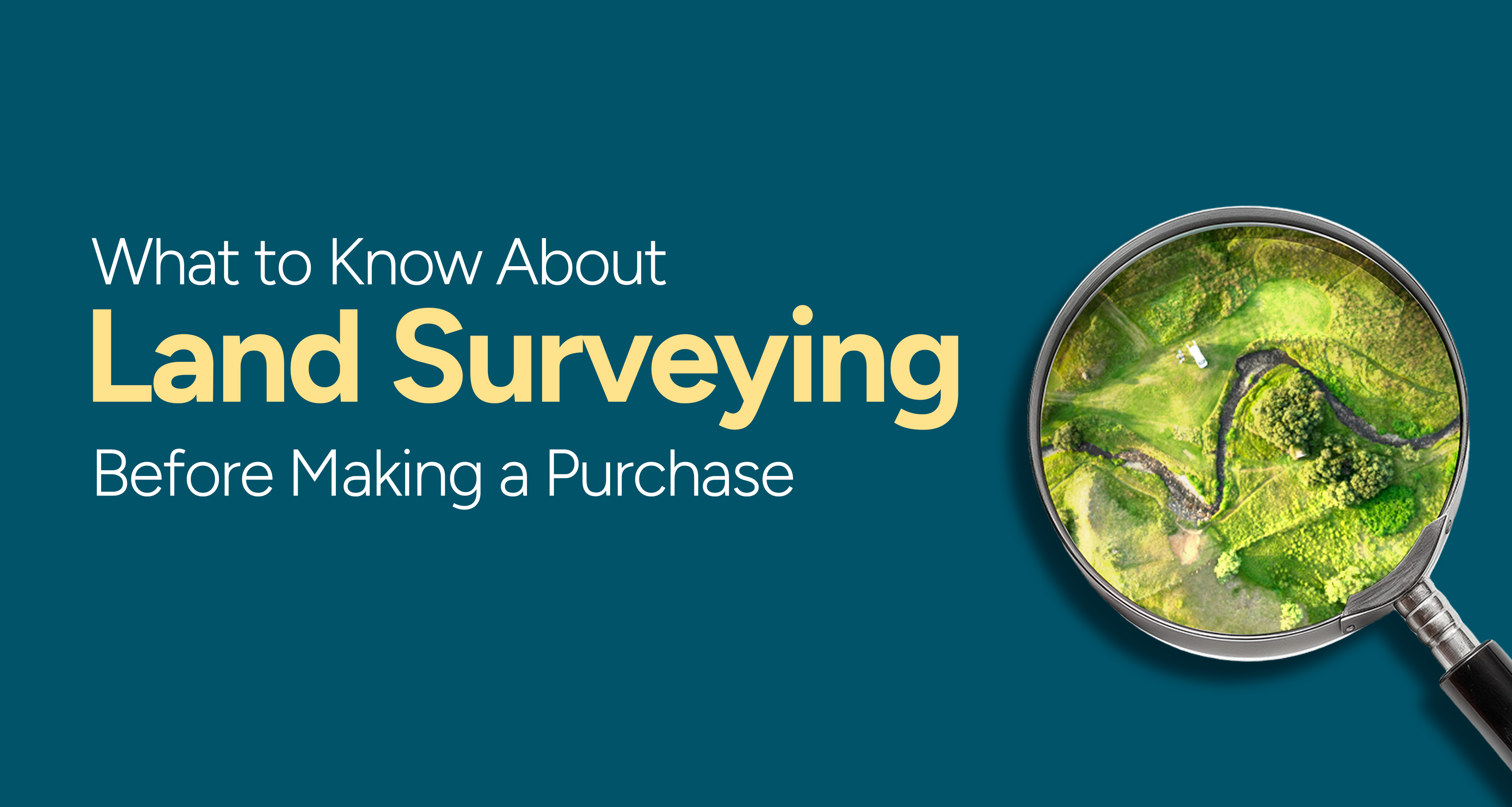
Buying a piece of land is a big investment and thus it is important to understand the nature of the investment. Knowledge of the property’s limits, relief, and other physical features may help avoid making some costly blunders. This is where a land survey comes in handy. This is where MyPropertyMap comes in, to provide you with an easy-to-follow guide on land surveying so that you can make the right decisions about ownership of land.
What is Land Surveying?
It involves a branch of science and art, the determination of the boundaries and the dimensions of a piece of land as well as the physical characteristics of the land. It is a process of determining distances and angles usually with instruments to produce plans and maps. Land surveys are crucial for various reasons, including Land surveys are crucial for various reasons, including:
Defining Property Boundaries: Determining the boundaries within which you own the property right up to the exact latitude and longitude.
Planning Construction Projects: How to make certain that the building plans you have developed are compatible with the physical characteristics of the land.
Locating Utilities: Identifying the location of utilities that either run below or above the ground.
Identifying Potential Hazards: Hiding things such as areas prone to floods or other related problems such as soil issues.
Resolving Land Disputes: This is particularly useful in case of disputes with the neighbors, and it will help provide clear evidence.
Why is Land Surveying Essential Before Buying Land?
If acted upon before entering into a contract, a land survey can save you from many problems. Here’s why it’s so important: Here’s why it’s so important:
Prevent Boundary Disputes: A land survey identifies the boundaries of the land; this reduces the possibility of disputes with the neighbors.
Get Accurate Property Information: Surveying will give you the right dimensions, topography, and location of the parcel of land you are buying.
Plan Construction Effectively: Understanding the landform is very important, especially in a situation where you want to build various structures because it assists in determining where you can place a certain structure because of the slopes and other physical characteristics of the land.
Spot Potential Hazards: During planning it is possible to find areas that are vulnerable to floods, the presence of sinkholes, or other utilities that may hinder one’s plans.
Legal Protection: The documentation of the survey can assist as evidence in a court case to ensure that your investment is protected.
Types of Land Surveys
Not all land surveys are the same. Depending on your needs, you may require one of the following:
Boundary Survey: Establishes the precise nature of the boundaries of a property and its size in terms of length, width, etc.
Topographic Survey: Gives the physical features of the land as the elevation, slopes, and drainage.
Construction Survey: Contains specifics needed to execute the architectural designs of structures such as buildings.
ALTA Survey: A detailed search that is generally accepted to conform to the ALTA/NSPS standards, which is common for commercial real estate.
How to Choose the Right Surveyor
Selecting a qualified surveyor is key to getting an accurate and reliable survey. Here are a few tips:
Check Licensing and Certification: Make sure that the surveyor is a legal and certified person in your state or the place where you live.
Evaluate Experience: Select a competent surveyor who has the kind of survey that you require and has the knowledge of the area to be surveyed.
Read Reviews and Ask for References: Review former clients’ feedback and request for referrals to determine the credibility of the surveyor.
MyPropertyMap: Your Partner in Land Surveying
This is why at MyPropertyMap we consider ourselves not only as a company but as your ally in your land ownership process. All our surveyors possess licenses and have adequate experience in conducting efficient and reliable land surveys with the aid of modern technology. MyPropertyMap.com has the experience to help you get the information you need whether you are buying land for residential use, for business, or farming.
Other Considerations in Land Surveying
When surveying land, consider these additional factors:
Environmental Concerns: A survey can reveal such elements as wetlands or contaminated soil that might be present in the given property.
Easements and Encumbrances: Look at any right of way or utilities that may affect the property rights.
Cost: There is no fixed price for a land survey since the cost will depend on the size, the level of difficulty, and what type of survey a client requires.
Conclusion
One needs to survey the land before buying it. It provides valuable information regarding the physical character of the property and its location such as the border, the relief, and the other physical features. Thus, knowing the significance of the land survey, choosing an appropriate surveyor, and following the additional points in consideration, one can make a wise and proper decision regarding the property. Allow MyPropertyMap to help you by enlightening you on the path to achieving your desired land ownership.