But when it comes to buying the land, the purpose you have can determine the way you will approach the purchase. It is therefore important that if you are trying to determine which of these two approaches to embrace, you have adequate knowledge of the difference between the two.
Personal Use: Building Your Dream
People who purchase land for their use are not simply acquiring a piece of land; it is the fulfillment of a plan or a dream. Whether you have the intention of constructing a home for your immediate family, a peaceful haven, or a small farm, it’s all about you, and your family.
Location and Utilities: In most cases, the location of the land to be bought for your use depends on your preferences or requirements. Some of the things you may consider to be important may be proximity to your workplace, schools for your children, or other essential facilities. Availability of basic amenities such as water, electricity, and internet are also important—these can be show-stoppers if not.
Zoning and Future Use: One of the reasons that zoning laws are useful is when one is purchasing land for own use. These regulations define the freedom you have in using the property or the limitations that you have. For instance, if you are aspiring to have a small farm in the future, ensure that the piece of land you intend to use is designated for farming.
Emotional Value: This is the value you receive from owning and enjoying your land; it is an emotional value. It can be as simple as watching your children playing in the backyard or being able to build a house of your choice, the Emotional capital as a form of capital can be very fulfilling.
Investment: Focusing on Long-Term Gains
On the other hand, the purchase of land for investment is more of a strategic move given the possible profits that may be accrued. The emphasis is placed on the pleasure derived from the pure accumulation of money and the subsequent rational spending on something that may bring considerable profit later.
Market Research: This is why you must do your homework whenever you are purchasing land for investment. Knowledge of the current market trends and its prospects, new developments that are expected to be made in the area and future economic predictions will assist in the decision-making process in determining whether or not the land will be appreciable in the future.
Diversification and Risk: Diversification is always a good policy, no matter what investment is being made. You should buy different kinds of land in various areas so that you can be shielded from the fluctuating markets.
Exit Strategy: There should always be a plan on how an investment would be exited. To the land investors, this might imply that it is time to sell the land or simply rent out the land to get an income from it.
Potential for Development: Investment land usually ‘appreciates’ when put to use or developed. It can increase tremendously its value through the addition of such fixed productive assets like roads, utilities, etc; but this calls for extra capital and has its level of vulnerability.
Financial Considerations
When one is to purchase land for use or investment, he or she should be aware of the cost implications involved.
Budgeting and Financing: When it comes to getting a loan for land, it is slightly easier than getting a loan for a home but in a case where the land is vacant, it can be extremely difficult. Borrowers may be expected to put down more cash and meet certain stringent conditions for the loans. First and foremost, you should decide on the amount of money you can spend or allocate for your business and get acquainted with all the possible types of financing.
Taxes and Ongoing Costs: Property taxes must also not be overlooked as they differ depending on the location of the land and the type of land to be specific. Expenses can also include maintenance costs which can be high where the land is large or not developed at all.
Emotional vs. Economic Benefits
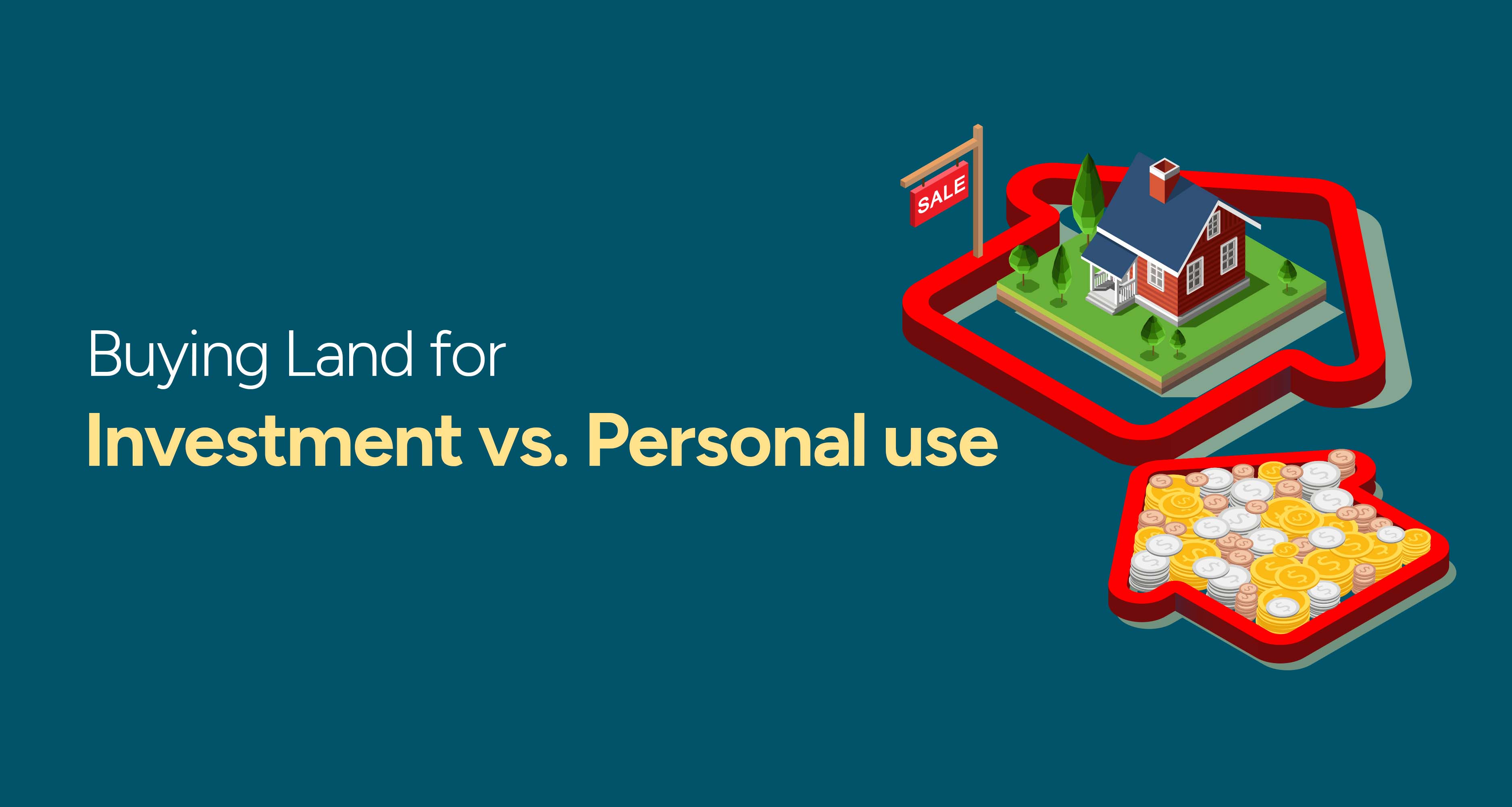
Deciding whether to invest in land for personal need or to invest in it as a capital investment means comparing the need for a feeling of emotional well-being with a rational business decision. Owner-occupants are in search of a space for their own use while speculators are interested in incomes, which, most of the time, are anticipated in the long run and involve taking risks.
Making the Decision
Here are a few steps to guide your decision-making process:
Define Your Goals: When you want to buy land, know why you want to do it. Is it to live in the house of your desires, raise livestock, or for investment in the future? Your goals will inform how you will go about it.
Consult Experts: The best way to get all the information about the piece of land you are interested in is to talk to real estate agents, financial advisors, and local government authorities.
Visit the Land: If you are a buyer, it is always better to have a physical look at the land so that you may be in a position to see or discern some problems or opportunities that may not be seen while going through the paper documents.
Consider Long-Term Implications: Consider how this particular acquisition of the land will affect your future in terms of finance and your way of life.
Prepare for Flexibility: This implies that you should be prepared to adapt when you are investing because the market could shift at any one time.
Real estate purchase, whether for own use or investment is a life-altering decision that can impact one’s financial future significantly. It is for this reason that one has to take his/her time and research the kind of land he/she wants so that in the end he/she can acquire the land that he/she wants that will make him/her happy and successful. Whether it’s constructing a house for the family or developing a property for commercial benefits, the right decision will result in fruitful experiences and profitable outcomes.